

The Nourishment & Strength Edition
Eating Well on GLP-1 Medicines: Nourishment, Strength, and Comfort
Thoughtful meals. Steady movement. Support along the way.
Begin reading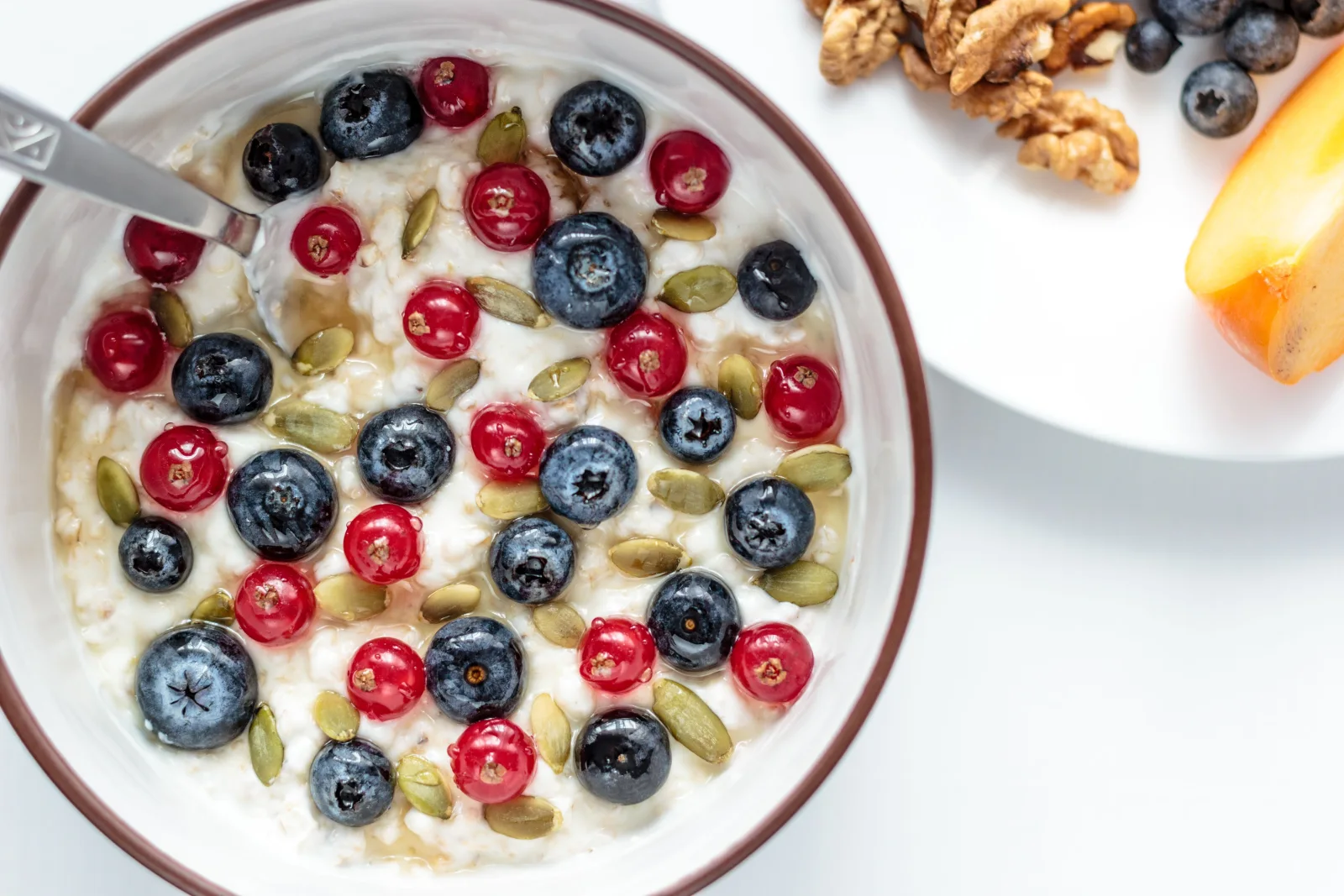
A smaller appetite still needs a nourishing plan
GLP-1-based medicines can change appetite and make it easier to eat less. That creates an opportunity to build a more intentional routine, but it also means smaller meals need to supply enough protein, fluid, vitamins, and minerals. Mozaffarian et al. Joint GLP-1 nutrition advisory (2025)
Think of the goal as supporting health and function during treatment, not simply making the scale move as quickly as possible. A joint advisory from major nutrition and obesity organizations emphasizes nutrient adequacy, muscle-preserving activity, side-effect management, and ongoing support alongside medication. Mozaffarian et al. Joint GLP-1 nutrition advisory (2025)
Give protein a dependable place
When portions shrink, protein can become easier to miss. Include an appropriate source at meals, such as fish, eggs, yogurt, poultry, tofu, beans, or lentils; if fullness arrives quickly, eating the protein portion earlier may help. Mozaffarian et al. Joint GLP-1 nutrition advisory (2025)
At Infinity Functional Performance, we recommend a higher-protein eating plan for suitable adults, aiming for 0.7–1 gram of protein per pound of clinician-estimated ideal body weight each day. This is our individualized planning range, not a universal GLP-1 guideline.
For example, an ideal-weight reference of 150 pounds gives a daily range of 105–150 grams of protein. “Ideal body weight” here means a weight reference chosen with your care team for the calculation, not an instruction to reach a certain appearance or to use your current weight instead.
The evidence supports enough protein plus strength exercise, but recommendations differ. A review of resistance-training research discusses about 1.6 g/kg of body mass daily, with up to 2.2 g/kg used as an upper planning range; those studies do not prove our exact ideal-weight formula for people taking GLP-1 medicines. (Stokes et al., protein and muscle review)
The joint GLP-1 nutrition advisory discusses a lower proposed range of 1.2–1.6 g/kg/day during weight loss and notes uncertainty over which weight to use. It also cautions against prolonged intakes at or above 2 g/kg/day, so the top of our range is not an automatic goal for everyone. (Joint GLP-1 nutrition advisory)
Our range equals about 1.5–2.2 g/kg of ideal weight; that is not the same calculation as grams per kilogram of current weight. Ask your licensed medical provider or registered dietitian to choose the weight reference and daily amount, especially with kidney disease, and spread protein foods across meals you can comfortably eat. (Joint GLP-1 nutrition advisory)
Pair nutrition with strength-preserving activity
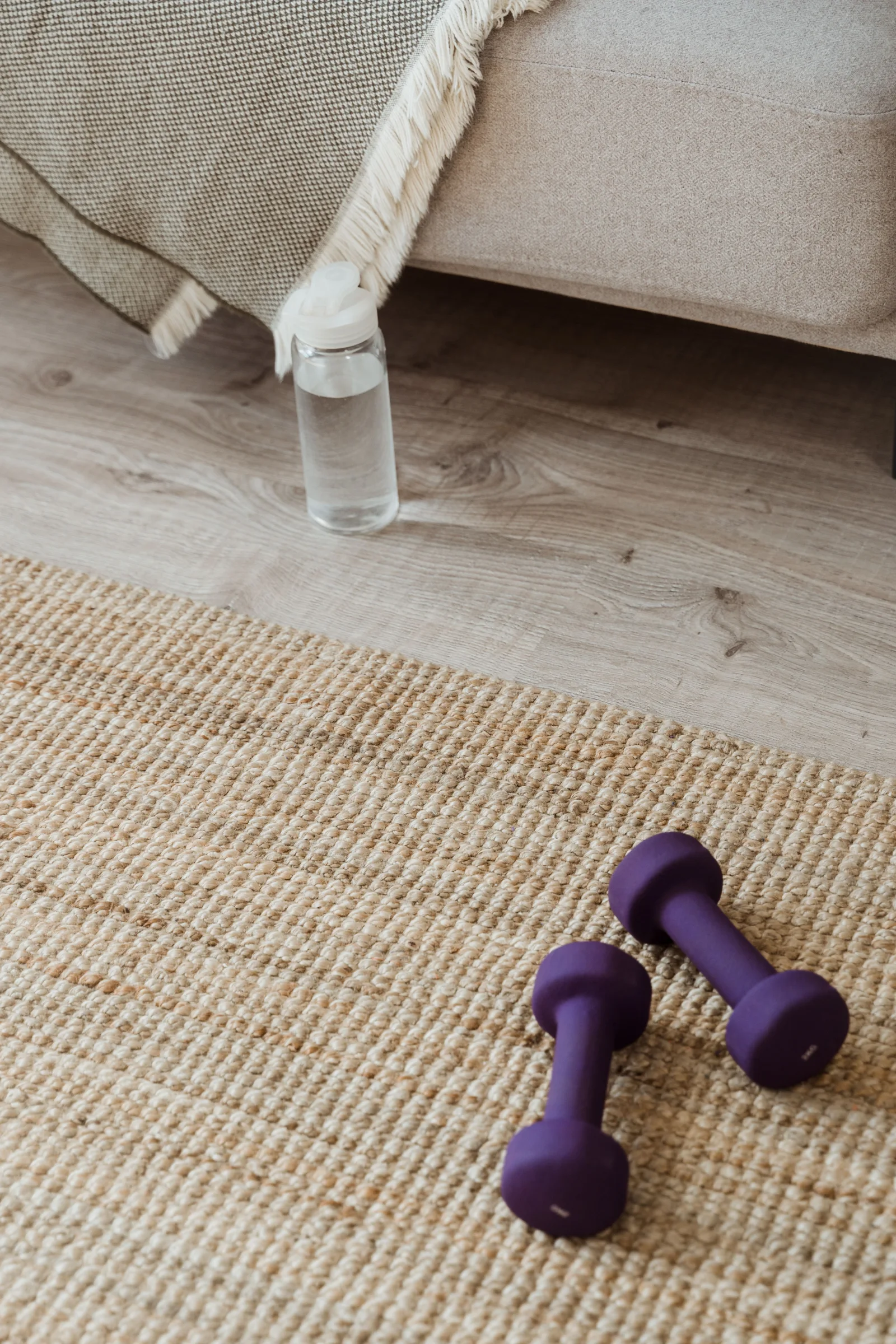
Protein alone is unlikely to fully preserve muscle during weight loss without a structured resistance-training component. The advisory recommends combining strength training with aerobic activity, adapted to the person's fitness, capacity, and medical needs. Mozaffarian et al. Joint GLP-1 nutrition advisory (2025)
That might start with supervised exercises, machines, resistance bands, or a manageable home routine. The important discussion is how to progress safely and consistently, not whether your starting point looks impressive.
Track useful functional goals alongside weight: how everyday tasks feel, whether you can follow your activity plan, and whether you are becoming unusually weak. Bring meaningful changes to the care team rather than celebrating weight loss regardless of how you feel. Mozaffarian et al. Joint GLP-1 nutrition advisory (2025)
Build smaller meals with more purpose
A practical meal template is a tolerated protein food, a fruit or vegetable, a carbohydrate source appropriate to your needs, and a modest amount of fat. Adjust the portion and texture when appetite or nausea makes a usual meal difficult. Mozaffarian et al. Joint GLP-1 nutrition advisory (2025)
Examples include yogurt with oats and berries, eggs with toast and cooked vegetables, or fish with beans and a small serving of rice. These are meal ideas, not a required menu; preferences, allergies, diabetes treatment, and digestive tolerance can change the details.
If solid meals are difficult, a suitable protein drink may help fill a gap, but it should not automatically replace every meal. The larger goal is an eating pattern that provides sufficient nutrients and can be maintained. Mozaffarian et al. Joint GLP-1 nutrition advisory (2025)
Build fiber gradually
At IFP, we use an individualized fiber goal of 10–25 grams a day during GLP-1 treatment, based on food intake and digestive comfort. This means total fiber from food and any supplement combined, not 10–25 grams of fiber powder added to your usual diet.
The upper end matches the World Health Organization's general adult minimum of 25 grams of naturally occurring fiber from food each day. The lower end is a tolerance-based starting point or temporary adjustment, not evidence that 10 grams meets everyone's long-term needs. (WHO carbohydrate guidance; Joint GLP-1 nutrition advisory)
Try small portions of oats, beans, lentils, fruit or cooked vegetables. Increase gradually toward 25 grams as tolerated, with your care team's guidance, rather than trying to reach the target all at once. (WHO carbohydrate guidance; Joint GLP-1 nutrition advisory)
Start near your current intake and work up slowly, with enough fluid for your health needs. The best target is one you can tolerate: more fiber can worsen fullness, nausea or bloating, and a temporary lower-fiber plan may be needed when symptoms flare. (Joint GLP-1 nutrition advisory)
Work with fullness instead of fighting it
Nausea, constipation, diarrhea, vomiting, and abdominal discomfort can occur, particularly during initiation or dose escalation. Smaller meals and avoiding very large or high-fat meals may improve tolerance; eating slowly and stopping when comfortably full can make the routine easier. Mozaffarian et al. Joint GLP-1 nutrition advisory (2025)
Fiber helps support bowel regularity, but comfort comes before reaching the top of a target range. Discuss symptom-specific changes rather than forcing a large raw salad or extra fiber when you already feel unwell. Mozaffarian et al. Joint GLP-1 nutrition advisory (2025)
Contact the prescriber early if side effects interfere with eating or drinking. Medication adjustment is a clinical decision; do not increase the dose simply because a scheduled date has arrived when you are struggling to tolerate the current plan. Mozaffarian et al. Joint GLP-1 nutrition advisory (2025)
Hydration deserves a routine
Reduced intake and gastrointestinal losses can make dehydration more likely. Sip fluids through the day, and ask what intake is appropriate if you have a condition requiring fluid restriction; one universal water target does not fit everyone. Mozaffarian et al. Joint GLP-1 nutrition advisory (2025)
Repeated vomiting, inability to keep fluids down, severe or persistent abdominal pain, or symptoms of significant dehydration need prompt medical attention. Severe abdominal symptoms should not be dismissed as proof that the medicine is working. Mozaffarian et al. Joint GLP-1 nutrition advisory (2025) FDA: Tirzepatide approval for OSA with obesity (2024)
If insulin or a medicine that stimulates insulin release is also prescribed, discuss low-blood-sugar risk and monitoring. Appetite changes do not mean you should adjust those medicines independently. FDA: Tirzepatide approval for OSA with obesity (2024)
Creatine can support muscle-cell hydration
Creatine monohydrate is a well-studied supplement that can support strength training and help increase water inside muscle cells. This is called intracellular hydration: creatine draws water into muscle as the cells take it up. (Antonio et al., creatine evidence review)
At IFP, we consider it a useful option for suitable adults and recommend about 0.1 gram per kilogram of current body weight daily, after reviewing health and supplement use. That dose is described in the creatine review; a loading phase is not required. (Antonio et al.)
For example, 80 kg of current body weight gives about 8 grams of creatine monohydrate per day. Divide pounds by 2.2 to estimate kilograms; unlike the protein target above, this calculation uses current body weight, and your provider should confirm the final dose.
Some studies show more water inside muscle cells, especially early on, while longer-term results vary. A small rise on the scale can reflect water rather than fat; this does not mean creatine guarantees muscle preservation during GLP-1 treatment. (Antonio et al.)
Keep drinking fluids and eating well. Creatine is an addition to that plan, not treatment for dehydration from vomiting or diarrhea, and the GLP-1 nutrition advisory still emphasizes fluids, food and strength exercise. (Creatine review; Joint GLP-1 nutrition advisory)
Check with your provider before starting if you have kidney disease, abnormal kidney tests or medicines that affect kidney function. Creatine can raise blood creatinine, a marker used in kidney tests, without necessarily meaning kidney damage; tell the clinician interpreting your results that you take it. (Antonio et al.)
Supplements should fill a gap
A multivitamin, vitamin D, B12, calcium, or another supplement may be appropriate when intake or clinical findings suggest a need. The advisory recommends individual assessment, not the same eight-product stack for every person using a GLP-1-based medicine. Mozaffarian et al. Joint GLP-1 nutrition advisory (2025)
Protein powder can be a convenience tool, and a fiber supplement may help some people, but neither replaces a review of the diet and symptoms. Extra electrolytes, magnesium, or potassium also require context, particularly with kidney disease or interacting medicines. Mozaffarian et al. Joint GLP-1 nutrition advisory (2025) NIH ODS: Magnesium Prescott et al. Medications and micronutrients (2018)
Keep a list of what you use and ask which products have a clear purpose. Reassess as appetite, food tolerance, weight, and activity change rather than assuming an initial supplement routine should continue indefinitely.
Keep medication safety current
The exact medicine has its own eligibility criteria, contraindications, and instructions. For example, tirzepatide's labeling includes important warnings about certain thyroid-cancer histories, pancreatitis, gallbladder problems, and other conditions; a nutrition blog cannot replace product-specific prescribing advice. FDA: Tirzepatide approval for OSA with obesity (2024)
Safety guidance also changes. In January 2026, FDA requested removal of suicidal-ideation and behavior warnings from certain GLP-1 weight-management labels after its review found no increased risk; older educational material should not present that association as established. Report concerning symptoms or mood changes to your care team regardless of their cause. FDA: GLP-1 safety review and requested warning removal (2026)
Make success more than a number
Bring a brief food-and-symptom record to follow-up, including what you can comfortably eat, fluid intake, bowel changes, activity, and any weakness. A good plan supports nourishment and function while helping you use medication appropriately.
Smaller meals can still be thoughtfully built. With the right support, nutrition and movement become active parts of treatment rather than afterthoughts. Mozaffarian et al. Joint GLP-1 nutrition advisory (2025)
Your next step
Bring your questions, medication list, and relevant results to a conversation with licensed medical providers. Infinity Functional Performance can help you explore whether an individualized evaluation is appropriate; no particular test, medication, or result is promised.
Visit ifp.life, call 972-619-5350, or email info@ifp.life to learn about becoming a patient.
Educational content only. This article is not a diagnosis, prescription, or substitute for individual medical advice. Do not start, stop, or adjust treatment based on a blog.
Numbered references
- Mozaffarian et al. Joint GLP-1 nutrition advisory (2025)
- FDA: Tirzepatide approval for OSA with obesity (2024)
- NIH ODS: Magnesium
- Prescott et al. Medications and micronutrients (2018)
- FDA: GLP-1 safety review and requested warning removal (2026)
- Antonio et al. Common questions and misconceptions about creatine supplementation: what does the scientific evidence really show? (2021)
- Stokes et al. Recent perspectives regarding the role of dietary protein for the promotion of muscle hypertrophy with resistance exercise training (2018)
- WHO: Updated guidance on carbohydrates and dietary fiber (2023)