A plain-language guide to sleep, recovery, and the daily habits discussed in IFP’s nighttime hormone protocol.
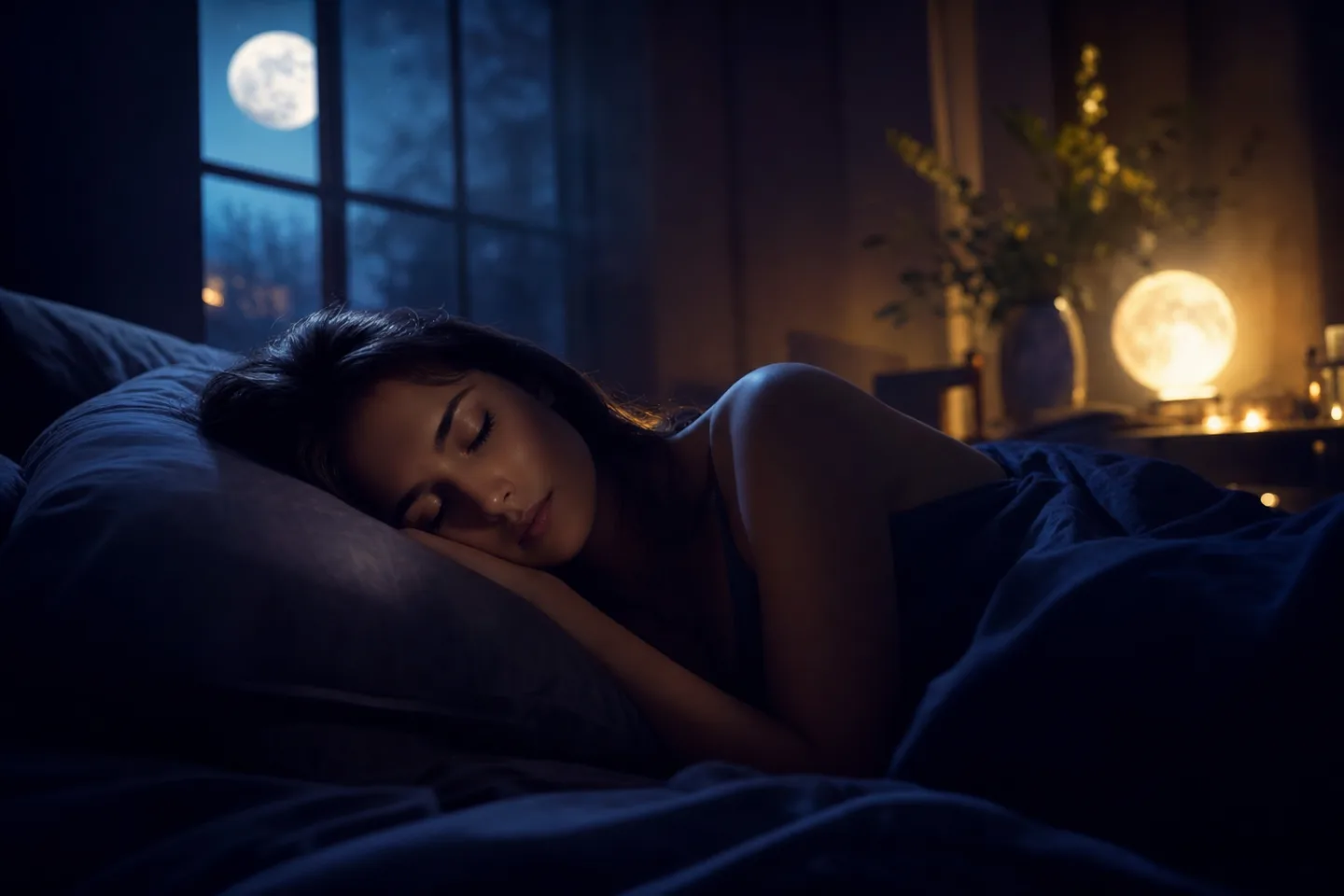
The Ultimate Nighttime Hormone Hacking Stack.
Every night, your body runs a hormone symphony. Melatonin rises. Cortisol falls quiet. Growth hormone pulses in deep sleep. Testosterone climbs during REM. Here is the plain-language, evidence-based playbook to make that symphony play in tune — with the full daily schedule and the exact stack we use.
Sleep is when your body builds itself.
Your daytime training, meals, and stress get processed at night. The hormones that burn fat, build muscle, calm your mind, and repair your tissues all fire in a strict order after lights out. Get the order right, and you wake up feeling like a machine. Get it wrong, and you drag through the day.
Think of your sleep as four 90-minute cycles that repeat through the night. Each cycle has light sleep, deep sleep (called N3), and REM sleep. Every hormone we care about is tied to one of these stages — which means the small choices you make between dinner and bedtime can either help or hurt them.
You cannot out-train, out-eat, or out-supplement a bad night of sleep. But you can stack your night to make sleep work harder for you.
The seven hormones that run the show.
Here is the cast. Each one has a job, a peak time, and a stage it loves. When you know their schedule, you can time everything else around them.
Melatonin The Sleep Signal
Rises about 2 hours before your usual bedtime, peaks around 2–4 a.m., and fades by sunrise. Even 200 lux of room light before bed can cut it nearly in half.
Cortisol The Wake-Up Hormone
Should be near its lowest at 10 p.m., then climb through the night to a big spike right before you wake up. High cortisol at bedtime = wired but tired.
Growth Hormone The Repair Hormone
Almost all of your daily growth hormone releases in the first 90 minutes of sleep, during deep N3 sleep. If you skip deep sleep, you skip repair.
Testosterone The Drive Hormone
Climbs across the night and peaks near the end, during your longest REM cycles. Short sleep crashes it — one week of 5-hour nights can drop T by about 10–15%.
Prolactin The Deep-Sleep Signal
Locked to sleep itself. Rises with sleep onset, peaks in the middle of the night. Broken sleep = broken prolactin rhythm and slower recovery.
TSH Thyroid Signal
Peaks right around lights-out. A calm, cool, dark room helps this pulse fire correctly, which sets up your metabolism for the next day.
Dopamine Motivation & Reward
Should drop at night so you can rest. Late screen time and late meals keep it artificially high — which is why you feel wired at midnight.
Everything, in one table.
This is the full playbook — behaviors first, supplements second. Behaviors do the heavy lifting. Supplements are the fine-tuning. Use what fits your life. You do not need every item to see huge gains.
Behaviors first. Supplements are the fine-tuning, never the foundation.
| The Behaviors (Do These First) | |||
| Intervention | When | What It Does | Dose / Protocol |
|---|---|---|---|
| Bright morning light | Within 30 min of waking | Anchors your body clock. Sets an earlier melatonin release that night. | 10–15 min outside without sunglasses. Cloudy days still work. |
| Time-restricted eating | Finish eating 3 h before bed | Keeps insulin quiet at night. Protects deep sleep and GH pulse. | 8–12 hour eating window. Dinner by 7 p.m. if bed is 10 p.m. |
| Sauna | 4–6 p.m. (2+ h before bed) | Raises then drops core body temp — a strong sleep signal. Boosts GH. | 15–20 min at 175–195°F, 2–4× per week. |
| Warm shower or bath | 60–90 min before bed | Same temperature drop trick as sauna but gentler. Shortens time to fall asleep. | 10–15 min at 104–108°F. |
| Breathwork (4-7-8 or box) | In bed, lights out | Flips your nervous system into rest mode. Lowers cortisol quickly. | 5–10 min. Inhale 4, hold 7, exhale 8. Repeat 4 cycles. |
| Gratitude journaling | 15 min before bed | Quiets the worry loop. Improves sleep quality and next-day mood. | Write 3 things you're grateful for. 5 minutes. |
| Red light therapy | Evening, 1–2 h before bed | Does not suppress melatonin the way blue and white light do. | 10–15 min at 660 or 850 nm, chest and back. |
| Acupressure mat | 20 min before bed | Triggers a small endorphin release. Signals safety to your nervous system. | 15–20 min on the back, shirtless if tolerated. |
| Cold plunge | Morning, not evening | Big morning dopamine and noradrenaline. Sharpens circadian rhythm. | 2–3 min at 50–59°F. Save cold for morning — not before bed. |
| Cool, dark, quiet room | All night | Protects melatonin, TSH pulse, and deep sleep. | 65–68°F. Blackout curtains. No visible LEDs. |
| The Core Supplements | |||
| Magnesium (glycinate or L-threonate) | 30–60 min before bed | Relaxes muscles, calms the nervous system, deepens sleep. | 200–400 mg glycinate, or 1–2 g L-threonate. |
| Glycine | 30–60 min before bed | Drops core temp. Improves sleep quality and next-day alertness. | 3 g dissolved in water. |
| L-theanine | 30–60 min before bed | Quiets a racing mind. Pairs well with magnesium. | 200 mg. |
| Ashwagandha (KSM-66 or Shoden) | With dinner | Lowers cortisol. Improves sleep quality and stress recovery. | 300–600 mg standardized extract. |
| Apigenin | 30–60 min before bed | Chamomile-derived. Mild GABA support. Calming. | 50 mg. |
| The Optional Add-Ons | |||
| Melatonin (low dose) | 60 min before bed | Only if travel, shift work, or a hard reset is needed. Not a nightly tool. | 0.3–1 mg. More is not better. |
| Zinc | With dinner | Supports testosterone and immune function. Take away from magnesium. | 15–30 mg. |
| Tart cherry extract | 60 min before bed | Natural melatonin source. Supports sleep length. | 480 mg extract or 8 oz juice. |
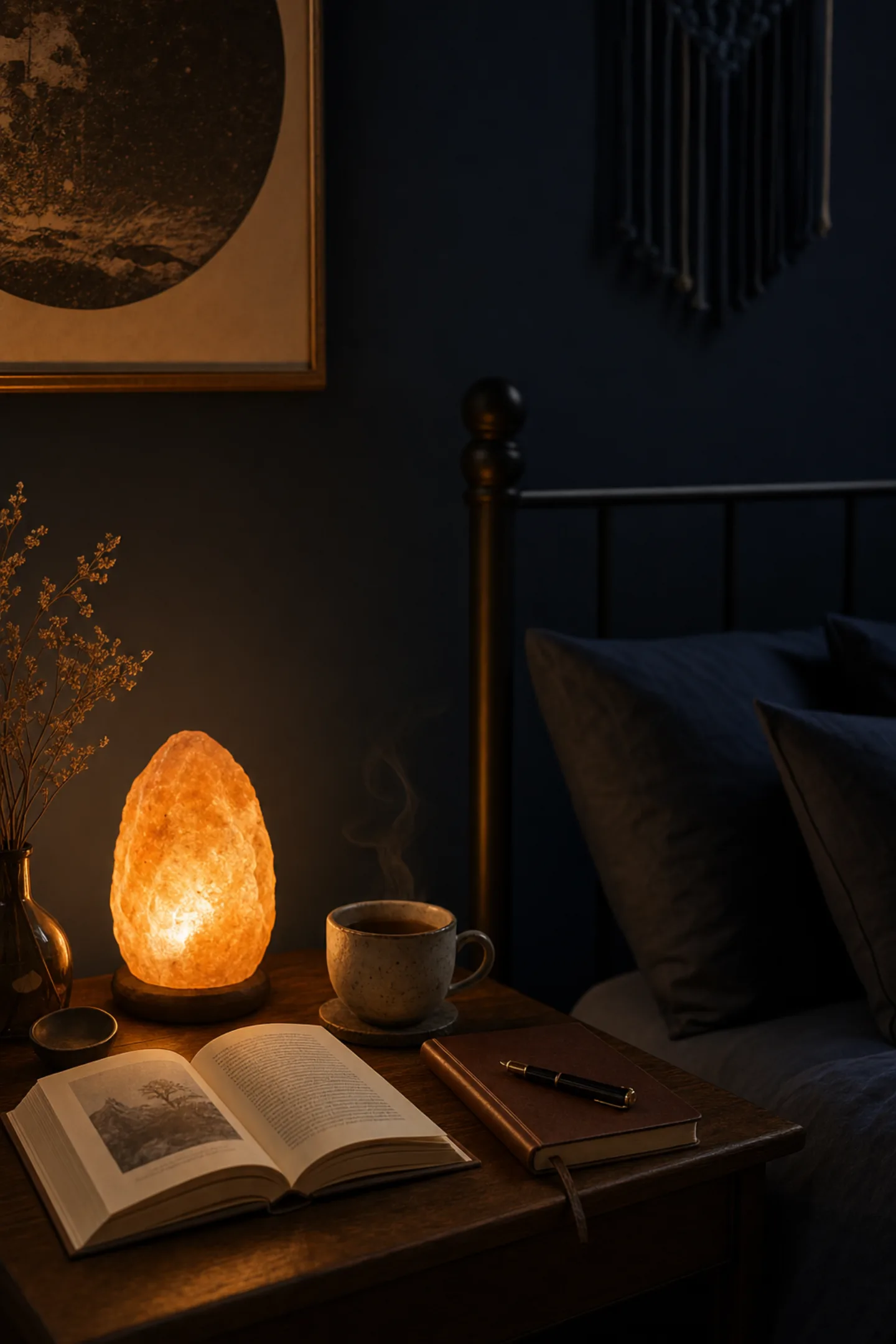
The last two hours before bed decide the next eight.
The full hour-by-hour schedule.
Your nighttime hormone symphony starts the moment you wake up. Here is the exact day, tuned for someone with a 10 p.m. bedtime and a 6 a.m. wake time. Slide the clock earlier or later — the sequence is what matters.
6:00 AM Wake
Anchor the clock with light.
Get outside within 30 minutes of waking. Ten minutes on a clear day. Fifteen to twenty on a cloudy one. This is the single biggest lever for tonight's melatonin release.
- No sunglasses.
- A window does not count — you need real outdoor light.
Skip the phone for the first 30 minutes if you can.
6:30 AM Cold + Move
Cold plunge, then light movement.
Cold in the morning gives you a strong dopamine and noradrenaline pulse that lasts for hours. It also sharpens your body clock. Save cold for now, never the evening.
- 2–3 minutes at 50–59°F, or a cold shower.
- Follow with a 5–10 min walk or mobility routine.
7–8 AM Coffee window
Delay caffeine 90 minutes after waking.
Waiting lets your natural cortisol peak do its job. Then caffeine adds a smooth lift on top. Cut off caffeine by 2 p.m. so it does not linger into sleep.
12–1 PM Lunch
Bigger lunch, lighter dinner.
Load protein and carbs at lunch when insulin sensitivity is highest. This protects your evening — a big late dinner keeps insulin high, which suppresses growth hormone at night.
4–6 PM Sauna window
Sauna, then let the body cool.
Evening sauna does two things: it triggers a heat-shock response and it lets your core temperature drop later, which is a strong sleep signal.
- 15–20 minutes at 175–195°F.
- Rehydrate with water plus a pinch of salt.
- Finish 2+ hours before bed so temperature has time to fall.
6:30 PM Dinner
Finish eating by 7 p.m.
Aim for at least a 3-hour gap between last bite and bedtime. Include protein, vegetables, and a small carb like rice or sweet potato. Carbs at dinner actually help serotonin, which becomes melatonin.
- Take zinc and ashwagandha with the meal.
- No alcohol — it crashes REM and testosterone.
8:00 PM Lights down
Dim everything.
Overhead lights off. Warm lamps on. Amber salt lamp or red bulbs are ideal. Turn on night mode on any screen you still need. Your goal is to be under 10 lux of light for the last two hours.
- Consider blue-light-blocking glasses if screens stay on.
- Optional: 10–15 min red light therapy on chest and back.
8:30 PM Warm bath
Warm bath or shower, 10–15 minutes.
Water at 104–108°F. Ninety minutes before bed is the sweet spot. It raises your core temp briefly — the drop that follows is what triggers sleep.
9:15 PM Supplements
The nighttime stack.
About 30–60 minutes before bed, take:
- Magnesium glycinate — 200–400 mg
- Glycine — 3 g in water
- L-theanine — 200 mg
- Apigenin — 50 mg (optional)
- Tart cherry extract — 480 mg (optional)
9:30 PM Wind down
Acupressure mat and gratitude journal.
Lie on the mat for 15–20 minutes. While you are there, write three things you are grateful for from the day. This is where the day gets filed away so your brain can let it go.
9:55 PM Breathwork
Five minutes of slow breathing in bed.
4-7-8 breathing or box breathing. Nose in, slow out. This is the last switch that flips your system from work to rest. You may not stay awake through it — that is the point.
10:00 PM Lights out
Cool. Dark. Quiet.
Room at 65–68°F. Blackout curtains. Phone in another room or on airplane mode across the room. Now your body does its job — melatonin peaks, GH pulses in N3, testosterone builds through the REM cycles, prolactin locks in the rhythm.
Why each piece works.
The evidence behind the stack, in plain language. Each card has the mechanism, protocol, and one or two of the strongest recent studies.
Warm Bath / Shower Before Bed
Strong EvidenceWarm water briefly raises your skin temperature. Your body responds by dumping heat from the core outward — that drop in core temperature is one of the strongest sleep signals your brain can get.
A meta-analysis of 5,322 studies found warm bathing 1–2 hours before bed shortened sleep onset by an average of 8.6 minutes and improved sleep quality (Haghayegh 2019, Sleep Medicine Reviews). A 2024 systematic review of footbath studies replicated the effect for those who cannot bathe fully (Najafi 2024).
Evening Sauna
Strong EvidenceHeat stress triggers heat shock proteins (repair tools), a growth hormone bump, and — hours later — a bigger core temperature drop that deepens sleep.
A 2021 review documented broad cardiovascular, hormonal, and recovery benefits (O'Neal 2021). A separate trial in male athletes found regular sauna use paired with cold water normalized cortisol and improved anabolic hormone balance (Pomianowski 2021).
Morning Cold Plunge
Strong EvidenceCold water immersion causes a large release of norepinephrine and dopamine — which is why you feel sharp and alert for hours afterward. This is why cold should be a morning tool, not an evening one.
A 2025 systematic review and meta-analysis confirmed benefits on mood, immune function, and inflammation (Singh 2025). Brain imaging shows cold immersion shifts activity in networks tied to attention and reward (Yankouskaya 2023). Notably, evening cold immersion after training was shown to alter subsequent sleep architecture — another reason to time it earlier (Aloulou 2021).
Slow Breathwork (4-7-8, Box)
Strong EvidenceSlow, long exhales activate the vagus nerve. This shifts you into parasympathetic mode — the rest-and-digest side of your nervous system — within minutes. Cortisol drops. Heart rate variability climbs.
A large meta-analysis showed slow breathing reliably improves heart rate variability, a marker of nervous system balance (Laborde 2022, Neuroscience & Biobehavioral Reviews). A 2025 review confirmed the effect across multiple slow-breathing methods (Giorgi 2025). A recent randomized trial found diaphragmatic breathing lowered evening cortisol specifically (Ismail 2025).
Gratitude Journaling
Strong EvidenceWriting down what went well reduces bedtime rumination — the "worry loop" that keeps cortisol high and delays sleep. It also nudges your baseline mood upward over weeks.
A 2023 systematic review and meta-analysis found gratitude interventions consistently improved mental health and sleep quality (Diniz 2023). A 2025 RCT of a gratitude journaling app showed measurable improvements in mood and stress after just weeks (Fuller 2025).
Morning Bright Light
Very Strong EvidenceBright light in the first hour after waking pushes your body's master clock earlier, which shifts your natural melatonin release earlier that night. It also gives you a healthy cortisol spike, which is what makes mornings feel sharp instead of foggy.
Multiple 2015–2023 studies confirm morning light exposure phase-advances the circadian rhythm and improves next-night sleep (Crowley & Eastman 2015; Ohashi 2023). The evening flip is just as important — even normal room light before bed suppresses melatonin significantly (Czeisler 2011).
Time-Restricted Eating
Moderate–Strong EvidenceLate-night eating keeps insulin high, which suppresses growth hormone and delays melatonin. Stopping food 3+ hours before bed clears the runway for the night's hormone pulses.
A systematic review found time-restricted eating improved cortisol rhythm and melatonin timing (Chawla 2021). A 2023 review specifically on early meal timing detailed the benefits for metabolic and hormonal health (BaHammam 2023). A 2025 study confirmed that late-night eating disrupts circadian markers (Kim 2025).
Magnesium (Glycinate / L-Threonate)
Strong EvidenceMagnesium supports GABA receptors — the brain's "brake pedal." It relaxes muscles and quiets the nervous system. L-threonate crosses into the brain more easily than other forms.
A 2025 randomized controlled trial found magnesium bisglycinate significantly improved sleep quality and duration (Schuster 2025). A 2024 RCT of magnesium L-threonate showed similar benefits on sleep and next-day energy (Hausenblas 2024). A 2021 meta-analysis pooled the older evidence with broadly positive results (Mah & Pitre 2021).
Ashwagandha
Strong EvidenceAn adaptogenic herb that lowers cortisol and steadies the stress response. Also shown to improve sleep quality and — in some studies — testosterone in men under stress.
A meta-analysis of ashwagandha RCTs found consistent improvements in perceived stress and cortisol (Cheah 2021). A dedicated insomnia RCT showed significant sleep improvements (Langade 2019). A newer 2025 RCT continues to confirm the effect (Prajapati 2025).
L-Theanine
Moderate EvidenceAn amino acid from tea that increases alpha brain waves — the pattern seen in relaxed but alert states. Reduces mental chatter without sedation.
A 2025 meta-analysis found L-theanine improved sleep quality, especially in anxious or stressed adults (Bulman 2025).
The three non-negotiables.
If you only do three things from this article, do these. They are the highest-yield levers, and they cost nothing.
Bright light in the morning, dim light at night. This alone will shift every hormone in the right direction.
Finish eating 3 hours before bed. Free up growth hormone. Protect deep sleep. No exceptions.
Cool, dark, quiet room. 65–68°F, blackout curtains, no visible LEDs. Your bedroom is a machine — set it up like one.
Add the sauna, the cold plunge, the breathwork, and the supplements as your life allows. But start with the three above. Do them for two weeks and see what happens.
Great sleep is not something you find. It is something you build — one small, boring, repeatable choice at a time.
Tomorrow's sleep starts the moment you open your eyes today.
The evidence behind the stack.
All studies below are peer-reviewed and published between 2015 and 2025. Click any citation to open the original paper.
- Haghayegh S, et al. Before-bedtime passive body heating for sleep. Sleep Medicine Reviews, 2019.
- Najafi H, et al. Foot bath and sleep quality: a systematic review. 2024.
- Nishio M, et al. Warm bathing before bed and sleep architecture. J Clin Sleep Med, 2021.
- Koga K, et al. Thermoregulation and sleep onset. J Physiol Anthropol, 2023.
- O'Neal MA, et al. Sauna bathing and cardiometabolic health. 2021.
- Pomianowski A, et al. Sauna and cold water on hormonal balance in athletes. 2021.
- Piotrowska A, et al. Sauna use and cortisol response. 2022.
- Singh S, et al. Cold water immersion: systematic review and meta-analysis. 2025.
- Yankouskaya A, et al. Cold water immersion and brain network activity. 2023.
- Kaiser V, et al. Cold water immersion and mood. 2023.
- Aloulou A, et al. Cold water immersion after exercise and sleep. Front Sports Act Living, 2021.
- Laborde S, et al. Slow-paced breathing and HRV: meta-analysis. Neurosci Biobehav Rev, 2022.
- Giorgi A, et al. Slow-paced breathing and HRV: a comprehensive review. 2025.
- Ismail M, et al. Diaphragmatic breathing and cortisol. Reumatologia, 2025.
- Diniz G, et al. Gratitude interventions: systematic review and meta-analysis. 2023.
- Fuller M, et al. Gratitude journaling app RCT. 2025.
- You J, et al. Gratitude journaling RCT and wellbeing. 2025.
- Reppold CT, et al. Gratitude and psychological wellbeing RCT. 2019.
- Crowley SJ & Eastman CI. Morning bright light and circadian phase. 2015.
- Ohashi Y, et al. Morning light and next-night sleep. 2023.
- Gooley JJ, Czeisler CA, et al. Room light suppresses melatonin. J Clin Endocrinol Metab, 2011.
- Cajochen C, et al. Optimized office lighting and evening melatonin. 2022.
- Chawla S, et al. Time-restricted eating and circadian hormones: systematic review. 2021.
- BaHammam AS, et al. Early meal timing and health. 2023.
- Kim H, et al. Late-night eating and circadian markers. 2025.
- Wolf DM, et al. Fasting, exercise, and circadian biology. 2021.
- Schuster J, et al. Magnesium bisglycinate and sleep: RCT. Nature and Science of Sleep, 2025.
- Hausenblas HA, et al. Magnesium L-threonate and sleep: RCT. 2024.
- Mah J & Pitre T. Magnesium supplementation and insomnia: meta-analysis. 2021.
- Rawji A, et al. Magnesium and sleep: systematic review. 2024.
- Cheah KL, et al. Ashwagandha and stress: meta-analysis. 2021.
- Langade D, et al. Ashwagandha for insomnia: RCT. 2019.
- Lopresti AL, et al. Ashwagandha, stress and cortisol: RCT. Medicine, 2019.
- Prajapati H, et al. Ashwagandha and sleep quality: RCT. 2025.
- Bulman A, et al. L-theanine and sleep: meta-analysis. Sleep Medicine Reviews, 2025.
- Leproult R, Van Cauter E. Sleep loss reduces testosterone in young men. JAMA, 2011.